Who It Is For
Adults, educators, and community leaders who want text-rooted Chassidus learning that is intellectually honest, emotionally relevant, and practically actionable.
 Lishma Scholars
Bring Chassidus to Life
Lishma Scholars creates a personal learning companion that can join your calls, respond with warmth, and help turn deep ideas into daily practice.
Human Presence, Torah Depth
Not just answers, but meaningful dialogue: attentive, expressive, and grounded in authentic Chassidic teaching.
Program Snapshot
Adults, educators, and community leaders who want text-rooted Chassidus learning that is intellectually honest, emotionally relevant, and practically actionable.
Small cohort sessions, guided chavruta prompts, source-grounded discussion, and a weekly application commitment connected to real decisions and relationships.
Weekly live sessions with between-session reflection. Learners can join at their own level while still following a clear growth arc and consistent rhythm.
Stronger fluency in core sources, better questions, stronger learning habits, and one concrete behavior shift each week that carries Torah into daily life.
Learning Experience
A selective cohort format with weekly sessions, guided discussion, and relationship-based mentorship so learning deepens through community, not isolation.
Every module is source-driven and modernly framed, drawing from classical Jewish texts and contemporary questions in identity, ethics, and purpose.
The model includes attendance expectations, written reflection, and practical implementation milestones so growth is measurable and not only inspirational.
Participants leave with stronger Torah fluency, clearer personal voice, and the confidence to lead thoughtful Jewish conversations in campus, community, and family settings.
Daily Foundation
In Chabad practice, Chitas (Chumash, Tehillim, Tanya) was instituted as a universal daily study framework by the Frierdiker Rebbe, and repeatedly reinforced by the Rebbe as a steady spiritual backbone for ordinary life.
Chitas is presented as a baseline that applies to every Jew, in addition to each person’s individualized learning schedule. The idea is consistency over intensity: daily contact with Torah that builds long-term inner clarity.
In a letter (16 Iyar 5711), the Rebbe advises that if one did not complete the daily Chumash portion by day, it should be completed that night. He also notes there is no strict requirement that Chumash, Tehillim, and Tanya be learned in one fixed order.
The schedule is intentionally practical: Chumash with Rashi aligned to the week, Tehillim aligned to the day of the month, and Tanya in daily portions. This creates a structure that is sustainable for years, not days.
The Rebbe’s broader model of daily learning also included Rambam study, showing a clear educational philosophy: regular, cumulative Torah engagement that shapes both thought and action in real life.
Strategic Partnership
Lishma Scholars is being implemented in partnership with Chayenu, leveraging their established Torah learning infrastructure, daily cycles, and subscription ecosystem to support consistent, source-grounded study.
Learners can work directly with their existing Chayenu subscription flow (print + digital where available), so the platform aligns with the study rhythm people already use rather than replacing it.
The partnership framework draws on Chayenu’s core daily resources, including Chumash, Tanya, Tehillim, Rambam cycles, Hayom Yom, and additional guided study content in the app environment.
Chayenu’s portable format and app-based delivery support learning on the move, while Lishma Scholars adds facilitated application, reflection, and cohort accountability around those daily materials.
Instead of building a parallel curriculum from scratch, this model uses trusted, widely adopted Chayenu resources to create continuity, legitimacy, and immediate real-world usability for learners and educators.
Learn more about Chayenu resources: chayenu.org | Subscriptions | Explore Chayenu
Talk in real time with a guide that listens, responds clearly, and stays present.
Join one-on-one and group conversations with steady guidance and shared focus.
Continue where you left off with context that remembers your growth over time.
Across Generations
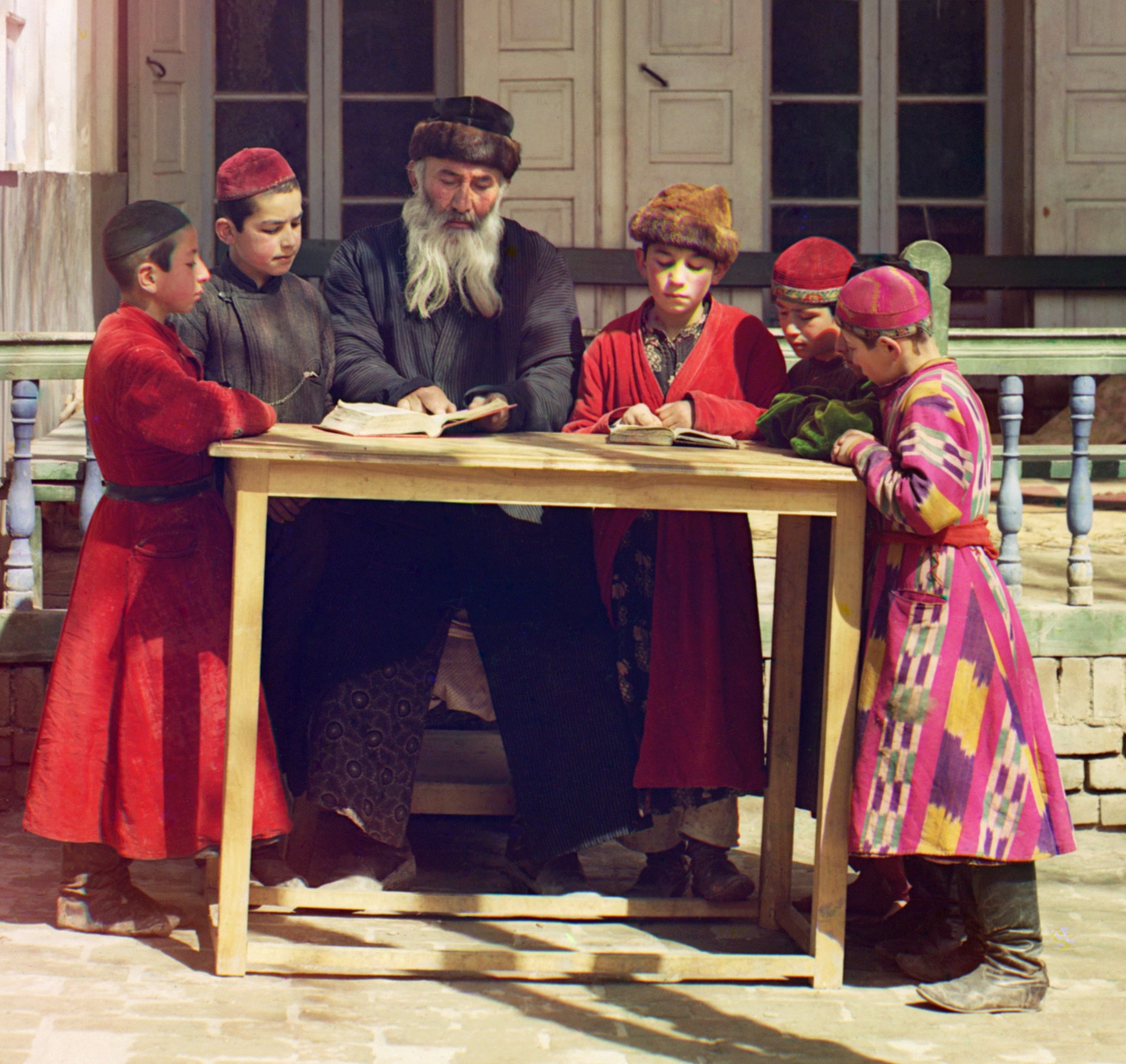
Historic foundations with modern-day study life




Live Guided Sample
Source Text (Sefaria)
Tanya, Part I; Likkutei Amarim 1
Knowledge You Can Rely On
Community Voices
Who Built This
A multidisciplinary team shaped by contemporary Chabad educational practice, facilitation, and learner support.
Rosh Program and Text Pedagogy
Designs the core learning flow: text-first, question-driven, and emotionally intelligent. Known for translating deep Chassidic concepts into clear language that speaks to students across backgrounds.
Learner Experience and Family Education
Leads practical application tracks for homes and communities. Her sessions emphasize warmth, structure, and how Torah values move from study circles into everyday decisions.
Chavruta Methodology and Mentor Training
Trains educators to run high-trust chavruta conversations with accountability. Focuses on helping learners move from interpretation to weekly commitments and measurable follow-through.
Curriculum Weaving and Women’s Learning Tracks
Builds modular curricula that connect Tanya, halachic framing, and modern emotional literacy. She is responsible for tiered pathways that support both beginners and advanced students.
Community Facilitation and Cohort Leadership
Develops small-group facilitation models used across cities and campus communities. Specializes in turning reflective learning into communal responsibility and action.
Pastoral Learning Care and Reflection Labs
Oversees guided reflection practices that help learners integrate Torah emotionally and behaviorally. Her work ensures that rigorous study stays deeply humane and personally relevant.
Founding Vision
Lishma Scholars was initiated by Golan Ben-Oni, a veteran technology and security leader with deep experience in enterprise systems, operational resilience, and applied cyber strategy. The project grew from a practical question: how can modern intelligence systems support serious Torah learning without diluting the integrity of the texts.
From the start, the focus was not on novelty for its own sake. The goal was to build a reliable learning platform that listens carefully, maintains context over time, and helps learners move from study to sustained action.
The platform’s ML approach centers on retrieval-grounded language interaction rather than generic chatbot output. Session history is compressed into structured memory layers, then ranked and retrieved when relevant in later conversations. This supports continuity while keeping context windows efficient and focused.
Intent classification, topic routing, and confidence-aware response shaping help determine when to teach directly, when to ask clarifying questions, and when to anchor responses in source text before practical guidance is offered.
The model extends beyond text and voice into visual presence. Computer vision signals such as facial landmark dynamics, posture shifts, and turn-taking cues can be used to support adaptive pacing and tone in live learning environments.
In practice, this enables systems to detect overload, reduce complexity, shift cadence, and re-anchor discussion around key textual concepts. Vision is treated as a learning-quality instrument, not as a branding feature.
The result is a distinct fusion: deep Torah learning guided by modern intelligence systems that are accountable, source-aware, and human-centered. This is the foundation Ben-Oni set: technology in service of sincerity, depth, and lived application.
Built for Real Life
Use it for study sessions, mentoring, community conversations, and personal growth wherever your learning happens.